петък, 18 септември 2020 г.


събота, 12 септември 2020 г.
Public lecture on Populism, Constitutionalism and the Rule of Law (Oxford FLJS)
Constitutional expert asks: Can populism coexist with constitutional principles?, in FLJS Webinar streamed globally
22 June 2020
Can populism happily coexist with constitutional principles and practices? This is the provocative question posed by political scientist and constitutional expert Professor Daniel Smilov in the latest FLJS webinar, broadcast live to a global audience last week.
Professor Emeritus of Socio-Legal Studies Denis Galligan introduced the lecture, entitled Populism, Constitutionalism, and the Rule of Law, in which Prof Smilov gave an account of the impact of rise of populism on constitutionalism and the rule of law in countries across the world, with a focus on his own region of Eastern Europe, where democracies in Hungary and Poland have been particularly influenced by populist leaders.
Prof Smilov, Associate Professor in Political Science at the University of Sofia, Bulgaria, began by setting out the basic concepts of populism: that there is a set of ‘good people’ vs. a corrupt elite, and that the so-called ‘will of the people’ should be followed at all cost.
He confronted the consensus view that constitutionalism is, by definition, in conflict with populism, since constitutionalism is essentially an ideology of limited political power, whereas the populist model relies on strongmen leaders acting in defiance of state institutions and civil society.
Professor Smilov noted, however, that constitutionalism and liberalism are both the product of Enlightenment thinking, which has anti-paternalism as an essential element – i.e., the belief that the people should decide for themselves, and their preferences should be respected – and that in this respect at least, populism fits well with aspects of liberalism and constitutionalism.
Differences emerge in respect of other facets of Enlightenment thought, which Prof Smilov termed ‘the responsibilities of freedom’:
- Solidarity
- Empathy/Sympathy
- Self-education
Turning to the resurgence of populist leaders in Eastern Europe, Prof Smilov observed that even here, institutions have stood up well to attempts to overrule their place in public decision-making:
In countries like Hungary, Poland, or Bulgaria, the rise of populism has been spectacular in the last 10 years, but even in those countries it is an exaggeration to say that their democracies have collapsed into authoritarianism.
He did concede that populism in Hungary was strengthened by the COVID crisis, when Viktor Orbán passed an emergency decree that effectively suspended parliament as a lawmaking body, and yet, just the day prior to Prof Smilov’s lecture, this decree was abolished and the lawmaking powers of the Hungarian Parliament was restored. Given that Hungary remains part of the EU and other institutions that can restrain executive power, it remains a long way from the authoritarianism evident in Central Asian regimes or even Russia or Turkey.
He noted that, even if the independence of the judiciary has been compromised in some countries, including Hungary and Poland:
Interestingly, the rise of populism has not led to the softening of constitutions and the adoption of procedures that do away with constitutional constraints.
Returning to the bigger picture of the ideologies and strategies of contemporary populists, Prof Smilov identified a deliberate move by populists to subvert the traditional ideas of a political party to better serve their ideology, and to overcome the widespread lack of trust by the public in political parties, fostered largely by their own populist rhetoric.
The new method of populists is to sell themselves as authentic and direct transmitters of public preferences rather than as educators of the public – and as a result, we lose this important role of political parties in the process.
He went on to critique the attack on rights that characterizes populist politics, whereby rights are framed as part of a ‘liberal ideology’, especially the rights of ethnic, religious, and sexual minorities. These characteristic policies expose populism as intrinsically divisive, and undermine our ideas regarding non-discrimination and rights as embedded in our constitutions.
Populism also represents a direct threat to supranational constitutionalism, Prof Smilov warned, citing the many grievances against the EU which are frequently used to motivate populist voters, including attacks on the Council of Europe – and of course Brexit perhaps serves as the paradigm example of recent times.
Professor Smilov concluded by observing that the rise of populism has left us with weakened but still functional institutions, and it is this rule of law without self-restraint which undermines the Republican principle of constitutionalism as an ideology designed to represent society as a whole.
The webinar was the latest in a series of free public events that we are now offering to a global audience through our live broadcasts on the Zoom webinar platform and simultaneous livestreams on our Facebook Livechannel, where it has already been viewed several hundred times.
Videos of all our webinars, along with previous filmed events such as the Putney Debates, are available to view and download on our Video pages.
To receive invitations to future webinars and all our news and free resources, please subscribe to our bimonthly e-newsletter and follow us on Twitter @OxfordFLJS.
Как ще си тръгне Борисов (ДВ)

Анализът на Даниел Смилов е препубликуван от "Дойче веле".
Въпросът кога Борисов ще си тръгне е важен. Но още по-важно е как ще стане това. Защото оттеглянето му от премиерския пост е събитие, което неизбежно предстои на България.
В парламентарните демокрации подобни събития не са особен проблем. Дори лидери като Маргарет Тачър или Тони Блеър е трябвало да се оттеглят преждевременно с оставка. В настоящите времена Ангела Меркел вече заяви, че това ще е последният ѝ мандат като канцлер.
В двата британски случая големият лидер е имал и достоен наследник, който е развивал и допълвал политиката на предшественика си със съответните корекции. Меркел пък вероятно ще има (заслужен) шанс да се оттегли на върха на кариерата си с голямо признание у дома и невероятен международен авторитет, а това със сигурност ще ѝ гарантира наследник, който да продължи нейната линия.
Всичко, което трябва да знаете за:
Проблемът на Борисов
В автокрациите обаче смяната на политическия лидер винаги е проблемна: с нея като че ли си отива целият досегашен институционален и правов ред на страната. Джон Остин е имал теория за правото като съвкупност от общите команди на суверена. С оттеглянето на персоната на суверена по тази теория изчезват и правилата/командите, които той е създал. Затова Лукашенко се страхува от оставка - след нея той би загубил всичко, включително институционалните гаранции за правата и интересите си, които сам си е изработил. Затова и Путин избра радикалния вариант - с конституционна реформа да остане на власт до второ пришествие.
Проблемът на Борисов е, че иска да бъде като Меркел, но се е поставил в ситуация, която е сходна с тази на Лукашенко. България не е автокрация, но през последните десет години Борисов успя да имплантира и модифицира институционалния и правов ред със собствените си сложни и все по-проблематични неформални и задкулисни договорки. Въпросът е, че с оттеглянето на премиера тези договорки ще се обезсилят, а Борисов очевидно се бои от това.
По тази причина България, държава-член на ЕС и НАТО, започва да прилича на автокрация в период на смяна на лидерството. Далеч не е случайно, че Лукашенко стигна до същата формула за спасение, както и Борисов - оставка, но само след приемане на нова конституция.
В нашия контекст голямата лична и обществена драма, която премиерът Борисов забърка, е следната: как хем България да остане демокрация, хем той да може да се оттегли от премиерския пост, хем договорките, които е създал, да не изчезнат. Не се вижда ясен план, по който всичко това да се постигне. Наблюдаваме опортюнистични експерименти и копиране от автократични модели, което в българската среда няма как да не доведе до политически фарс.
Първо: конституционна реформа а ла Путин
Борисов вече даде да се разбере, че е готов да пожертва настоящата конституция, за да остане на власт. Проблемът с тази стратегия е обаче, че тя стана твърде прозрачна за всички. В момента само Марешки е оставен да защитава достойнствата на "проекта" за нова конституция (всъщност пораздърпан вариант на старата), без дори да го е прочел.
Но големият проблем за конституционните намерения на Борисов е не Марешки, а партньорите му от ДПС, които едва ли ще позволят отварянето на кутията на Пандора с екзотични приумици от "патриоти" и кой ли не в едно ново ВНС.
Второ: електорална система а ла Орбан
Борисов би искал да смени сегашната избирателна система с мажоритарна, за да закрепи водещата позиция на ГЕРБ. Мажоритарните системи (и смесените, каквато е в Унгария) дават бонус на първите две партии (и особено на най-голямата), като същевременно ощетяват останалите. Та с хитра електорална маневра Борисов опитва да закрепи ГЕРБ, което би му осигурило достатъчна политическа тежест и без да е премиер.
Но и този план едва ли ще сработи, защото тук не само ДПС, но и "патриотите" нямат никакъв интерес да го подкрепят. В една мажоритарна система малките партии ще изчезнат, а ДПС няма да може да се възползва от по-голямата мобилизация на електората си и рядко ще бъде необходима като коалиционен партньор (срит или открит).
Трето: осигуряване на наследник а ла Елцин
Най-важното в ситуацията, в която Борисов се намира, е осигуряването на наследник, който би уважавал договорките му: както Елцин си осигури удобен за него президент след оставката си в края на 1999 година. Тъй като договорките на Борисов са основно с ДПС, най-логично би било неговият наследник да е приемлив и за Движението. Затова и ДПС предложиха идеята за "експертно правителство", съставено от сегашното парламентарно мнозинство.
Този вариант е удобен за ДПС, но е високо рисков за Борисов. Първо, той ще трябва да изконсумира политическите негативи на оставката си, което допълнително ще ерозира подкрепата за ГЕРБ на следващите избори. Второ, ДПС е свикнало да дърпа управленските конци от втора линия, но ГЕРБ не може да си позволи същото: в крайна сметка едно "експертно правителство" отново ще се пише основно на сметката на ГЕРБ. И трето, за всички ще стане още по-ясно, че ГЕРБ и ДПС са политически тандем, качен на "експертно" правителствено колело.
Още по-важно е обаче как наследяването на властта ще протече в ГЕРБ. Оттеглянето на Борисов като премиер може да го остави начело на партията, но все пак той трябва да мисли и за наследници в нея. А специфичният му стил на управление не даде възможност за естествена конкуренция и налагане на нови лица.
Четвърто: опазване на наследството и имунитет а ла Пиночет
Борисов е амбициозен човек, който ще остави следа в българската история. Въпросът е обаче с какъв знак ще бъде тази следа. Всекидневните му турове из страната целят да го утвърдят като строител на съвременна България. Същевременно обаче през последните месеци се налага като доминиращ друг негов, далеч по-негативен образ: на патрона на едно управление, което е довело до пленяване на държавата от концентрирани частни интереси.
Борисов винаги е разчитал на медиите на ДПС за създаването, поддържането и освежаването на собствената си харизма. Това е обаче поръчка, а не работа по убеждение. След оттеглянето му като премиер не е изключено тези медии да се обърнат на 180 градуса, както през пролетта на 2013 година. А и днешните протести доказаха, че медиите на ДПС не могат да диктуват общественото мнение. Оставайки още на власт, Борисов рискува не само ерозия на електоралната подкрепа, но и затвърждаване на силно негативен свой образ не само в общественото съзнание в България, но и сред публичността в Европа.
А страхът, с който Борисов подхожда към главния прокуро Иван Гешев, както и липсата на каквато и да е премиерска критика към дейността на прокуратурата (при очевидни проблеми там) също издават надеждата на Борисов да се сдобие с де факто имунитет по модела на авторитарни лидери след тяхното оттегляне. Както демонстрира обаче и казусът с Пиночет, това е много рискова стратегия. А и при нас такъв "имунитет" би разчитал на някакви вътрешнополитически договорки и не би имал никаква стойност в наднационален съюз като ЕС.
Борисов има полезен ход
Поради невъзможността някоя от горепосочените стратегии да проработи, Борисов просто отлага неизбежното. Но ако иска да бъде повече като Меркел, а не като Лукашенко, той все още има един полезен ход: да даде обяснения за корупционните скандали и да застане с открито лице на едни нови избори, където да търси продължение на собствената си политическа линия и нова легитимност - за ГЕРБ и за себе си.
И колкото по-рано го направи, толкова по-добре. Всички други варианти са със силен привкус на политически и личностен провал.
Участие в БНТ (Георги Любенов)
Лятото на недоволството и горещата политическа есен
Предаване: Денят започва с Георги Любенов , 11.09.2020
В ПРЕДАВАНЕТО
ЧАСТИ ОТ ПРЕДАВАНЕТО
ВСИЧКИ БРОЕВЕ
Лятото на недоволството и горещата политическа есен. Какво постигна и ще постигне протестът? Коментар на Валерия Велева, Даниел Смилов и Димитър Ганев.
Линк с видео:https://bnt.bg/news/lyatoto-na-nedovolstvoto-i-goreshtata-politicheska-esen-v270130-282074news.html
Daniel Smilov cited by Financial Times
"Daniel Smilov, an analyst at the Centre for Liberal Strategies in Sofia, said Gerb’s constitutional manoeuvring would only make the protesters more determined. The recent scandals “are graphic examples of what people see as high-level corruption”, he said. “None has been properly investigated, leaving many with the feeling that Mr Geshev has served to cover up such misdeeds.”
Borisov under fire as Bulgarians lose patience with failures on graft

Protests intensify as tens of thousands demand prime minister’s resignation An anti-corruption protester confronts police in Sofia. Bulgaria is ranked lowest of the 27 EU states in Transparency International’s 2019 corruption perceptions index
Kerin Hope in Athens and Theo Troev in Sofia SEPTEMBER 6 2020
Elena Kasabova should have little reason to feel discontented. She has a well-paid IT job at a Sofia bank, enjoys holidays abroad with her daughter and is looking forward to advancing her career. But this summer she has joined thousands of Bulgarians staging daily street protests in the capital and other cities to press for the resignation of Boyko Borisov, the long-serving prime minister, and his close associate Ivan Geshev, the country’s chief prosecutor, over their failure to crack down on corruption. “Corruption is evident everywhere,” she told the FT last week. “As a conscientious taxpayer, I don’t see why donations are needed to fund children’s hospitals and basic medical equipment while the police, MPs and cabinet ministers drive around in the latest models of expensive cars paid for out of the state budget.” The protests have highlighted popular anger over pervasive graft in the EU’s poorest member state that observers say reflects collusion by high-ranking officials, shady business groups and senior members of the judiciary. Patience with the system is running out . . . High taxes and high levels of corruption make it very difficult to succeed, whatever sector you work in Petar Nedevski, the owner of a tourism business in Sofia They remained largely peaceful and relatively small until last Wednesday, when tens of thousands rallied outside a government building for the first parliamentary session after the summer break and police turned pepper spray and water cannon on the crowd. Bulgaria is ranked lowest among the 27 EU member states in Transparency International’s 2019 corruption perceptions index. The Centre for the Study of Democracy, a Sofia think-tank, said in a 2019 report that according to local businesspeople, at least 35 per cent of public procurement contracts involved corrupt practices. “Patience with the system is running out . . . High taxes and high levels of corruption make it very difficult to succeed, whatever sector you decide to work in,” said Petar Nedevski, the owner of a tourism business in Sofia who has attended protests every day since they began in early July. Bulgaria’s problems with corruption became entrenched in the 1990s when a group of oligarchs seized control of swaths of the economy as successive governments struggled to overhaul the country’s institutions following the fall of the Soviet Union. Their grip weakened as the economy expanded but most retained connections with politicians. This summer’s protests were sparked by a raid ordered by Mr Geshev on the offices of President Rumen Radev, who was elected by popular vote in 2016 and is an outspoken critic of the ruling Gerb party’s record on graft. Carried out by a heavily armed security team, the raid added to a simmering feud between Mr Borisov and the president. Anger has been intensified by a series of recent scandals, including allegations about kickbacks to government officials paid by a now-fugitive Bulgarian businessman in return for allowing him to take over the state gaming company operation, and leaked photographs of the prime minister’s bedroom at a state mansion showing a stash of €500 bills in an open drawer. Mr Borisov has said some of the photographs are fake. Bulgaria’s prime minister Boyko Borisov is seen as determined to hold on for the rest of his term © Ludovic Marin/AFP A former fireman and Sofia mayor who is serving his third term as prime minister, Mr Borisov has dominated the country’s politics for more than a decade. But his approval rating has recently declined sharply, with opinion polls indicating that between 60 per cent and 70 per cent of Bulgarians support the protesters’ demands for his resignation. Mr Geshev came to prominence as a maverick investigator opposed to the separation of powers between the executive, legislative and judicial branches of government. His appointment as chief prosecutor last year prompted criticism from European-trained Bulgarian lawyers and led to street protests in Sofia. Last Wednesday’s protest came as the government was holding a special parliamentary session to prepare the launch of constitutional reforms later this year. It is unclear what the reforms will be, and opponents see the plan as a tactic to divert attention from Mr Borisov and keep his government afloat for the rest of its term. A general election is due next April. While the government secured enough votes to push ahead, it faces another hurdle in November, when it needs to secure support for an assembly to push through constitutional changes. Recommended Eurozone economy Bulgaria and Croatia enter euro area waiting room “Borisov is determined to hold on for the rest of his term but it’s by no means certain that Gerb will get the votes needed to establish the assembly . . . We’re quite likely to see a period of confusion and delay,” said Hristo Ivanov a former justice minister and a leader of Democratic Bulgaria, a pro-European party who has played a prominent role in the protests. Daniel Smilov, an analyst at the Centre for Liberal Strategies in Sofia, said Gerb’s constitutional manoeuvring would only make the protesters more determined. The recent scandals “are graphic examples of what people see as high-level corruption”, he said. “None has been properly investigated, leaving many with the feeling that Mr Geshev has served to cover up such misdeeds.”
Original link: https://www.ft.com/content/1c6beea7-1e6a-44f8-a97c-1d8beb38dfac
събота, 18 април 2020 г.
Коронавирус и популизъм: DW
Коронавирус в България: Една добра новина. Засега.
Борисов обяви, че основната му задача е да "пази" българите. Вероятно всички трябва да са му вечно благодарни. Само че коронавирус не се бори с популизъм. А с експерти. За щастие, в България има и такива.
Даниел Смилов
16.04.2020
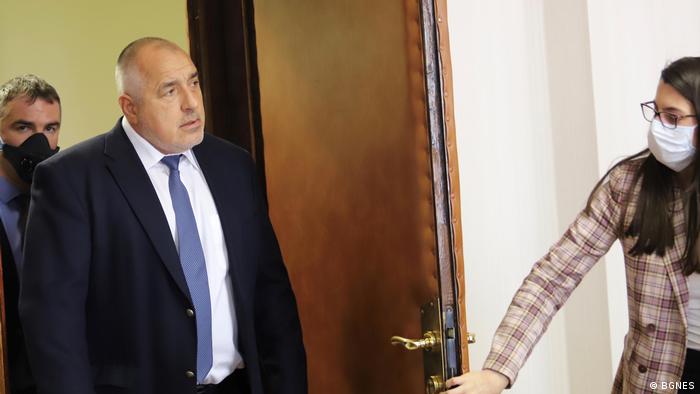
Бойко Борисов
Какъв ще е ефектът от кризата с коронавируса върху политическия пейзаж в България и Европа? Ще се засилят ли популистките партии и играчи, както и популистката реторика след нея? И преди кризата беше модерно политиците агресивно да ухажват народа, да се представят за автентичен изразител на неговите най-интимни чувства и мисли, каквито и да са те. Тази конкуренция за постигане на най-бързо, най-директно, нефилтрирано изразяване на народните настроения може да бъде наречена "политичеки популизъм". Нейното идеологическо съдържание е минималистично: нагласите на народа са добри и трябва да бъдат представяни пряко, без да се променят. Елитът е лош, защото изкривява тези нагласи в свой собствен интерес.
Експерти или популисти?
Коронавирусът отключва два механизма, които оказват влияние върху популисткия феномен. Първият механизъм работи срещу него и го ограничава. Епидемията завърна експертността в политиката, а експертите са безспорна част от елита. Епидемия не може да се управлява по метода "вие сте прости и аз съм прост - ще се разберем". Тази иначе симпатична популистка рецепта е пряк път към трагедия в настоящата ситуация. И чест прави на автора ѝ - Бойко Борисов, че не я приложи в България, а създаде експертен щаб и мобилизира голяма част от научния и професионален потенциал на страната за справяне със ситуацията.
Ограничаването на популизма заради завръщането на експертността бе особено видимо в поведението на Доналд Тръмп и Борис Джонсън. Тръмп започна с отричане на опасността като нещо "чуждо" и неамериканско (китайско, европейско и т.н.). САЩ се забавиха много с въвеждането на нужните мерки. И в един момент експертността се завърна под натиска на реалността - смъртните случаи нараснаха драматично. Подобен сценарий се разви и във Великобритания.
Вторият механизъм обаче подпомага популисткия сценарий в политиката. Коронавирусът хомогенизира нацията, която е изправена като едно цяло пред невидимата опасност. Цялата нация има нужда от дисциплина, координация, организация. И тук идва популисткият политик, който лесно се представя като спасител, като пастир, който ще преведе стадото през смутните времена. Манихейската опозицията добър народ-лош елит лесно се трансформира в библейската конюнкция добър народ-добър пастир. Тази трансформация вече се реализира в Унгария, където Виктор Орбан безсрочно се обяви за господар на страната и де факто суспендира парламентарната демокрация. Разбира се, в името на здравето и благоденствието на народа.
Кой от двата механизма ще се окаже по-силен? Рано е да се правят заключения, защото кризата е още в самото си начало. Ако експертните препоръки за карантина и социална дистанция се провалят и ни се случат втори и трети вълни от зараза, разочарованието от професионалния елит ще е огромно. Тогава може да очакваме популистка пандемия, нашествие от спасители на нациите. Поне засега, обаче, в западните демокрации сработва по-скоро първият механизъм на ограничаване на популизма чрез експертността. Особено важна тук е и ролята на държавата и професионални органи като централните банки за излизане от вече стартиралата икономическа рецесия. Всяка надежда за приемлив изход е свързана с успеха на предприетите от ЕС и САЩ мерки за стимулиране на икономиката. И съвсем не е случайно, че в ситуацията на преден план излязоха трезви и рационални политици като Меркел, която преди това беше критикувана за какво ли не от популистките среди.
В Източна Европа унгарският пример показва, че сценарият с пастира-спасител е по-популярен, отколкото на запад. Но и тук засега либералната демокрация не е колабилара, макар че тревожните симптоми са налице и то не само в Унгария.
В България нещата са още по-нюансирани и двата механизма по отношение на популизма засега не могат да вземат надмощие един над друг. Съотношението на силите към момента е следното:
Ограничаване на популизма чрез експертност:
Засилване на популизма заради култ към пастира-спасител
Каква е равносметката?
Този анализ показва, че в България поне засега втората тенденция не е взела връх. Но както казват англосаксонците, журито още заседава по въпроса. В България към популисткия сюжет трябва да прибавим като пралелна линия на развитие и разместването на лобитата във властта. Около ББР стана нещо такова и Стоян Мавродиев беше отстранен. Първоначалните индикации, че Борисов може да се е конфронтирал с кръговете от ДПС обаче май се оказват подвеждащи. Някакви договорки са се променили, но базовата конструкция на управлението - ГЕРБ и ДПС - се запазва.
Важното е да сме здрави. И яжте повече фурми!
P.S. За системен и цялостен анализ на връзката между популистките тенденции и кризата с коронавируса следете академичните публикации по проекта PаCE по програмата Хоризонт 2020 на ЕСhttp://popandce.eu
петък, 10 април 2020 г.
Решенията на еврозоната и защо са важни за България

Снощи дойде добра новина от еврозоната – договорен бе първи общ пакет от 500 млрд. евро за справяне с икономическата криза. Фон дер Лайен преди дни съобщи, че ЕС – страните членки и институциите на съюза – са мобилизирали като отговор на кризата около 2,7 трлн. евро. С вчерашното решение общата, солидарната част от тези 2,7 трлн. става вече поне 537 млрд (500 млрд. от еврозоната плюс 37 млрд. от бюджета на ЕС).
Това означава, че ЕС само досега е успял да “солидаризира” около 20% от фискалния отговор на кризата. Толкова за фалшивата теза за липсващата солидарност. За сравнение, стандартният бюджет на ЕС е само 1% от БВП на страните членки. Кризата очевидно консолидира Европа и демонстрира, че всички заедно са по-добре защитени – затова така бързо достигнаха до 20% колективни фискални мерки от всичко предприето.
Очакването ми е, че тези 500 млрд. са само началото на солидаризирането на усилията. ЕЦБ в свой анализ бе поставила цел от 1,5 трлн. евро, която не беше достигната. Идеята за “коронаоблигации” – общи дългови инструменти – също беше отхвърлена, но не е съвсем изключено отново да се появи на масата. В крайна сметка още нямаме реална оценка за размера на кризата и всички тези числа са просто моментни реакции.
Основният инструмент за солидаризация на публичен дълг, с който ЕС разполага сега, е Европейският стабилизационен механизъм. Той ще осигури заеми от 240 млрд. евро и ще е най-съществената част от спасителния пакет. ЕСМ е колективен инструмент на страните от еврозоната – той работи със свои облигации, гарантирани от страните членки – с които може да набира капитал на много ниски лихвени нива (около 0,7%). Този капитал той впоследствие дава като заеми на страни от еврозоната, които са с финансови затруднения и биха взели заеми при много по-неизгодни условия.
“Коронаоблигациите” биха изпълнявали сходна функция, но като директен колективен дългов инструмент, зад който стоят солидарно страните от еврозоната. Ако се приеме такова решение, ще се спестят административните разходи около съществуването на отделен фонд като ЕСМ. Ще се спести един посредник между страните членки и дълговите пазари. Но ЕСМ играе и друга цел – той е инструмент, с който могат да се поставят условия на правителствата на закъсали държави да поддържат финансова дисциплина. Всъщност, той представлява нещо като Международния валутен фонд, но е само за страните от еврозоната. Германия и Холандия очевидно не искат да се откажат от един такъв инструмент, макар че се съгласиха да разхлабят условията по даването на заеми за справяне с проблеми, породени директно от епидемията.
Въпреки бързата консолидация, кризата демонстрира и колко далеч е ЕС от федерална държава от рода на САЩ. Там федералните институции вече взеха решение за пакет от 2 до 3 трлн. долара. ЕС финансово дава сходен отговор – около 3 трлн. евро общо – но “федералната”, солидарната част от него засега е “само” 537 млрд., а останалото е в ръцете на държавите членки. Кой модел е по-ефективен – времето ще покаже.
ЕС има и една голяма “базука” за “солидаризация” на публични задължения в краен случай. Това е ЕЦБ. В най-лошия сценарий, ако Италия, Испания и други държави се окажат в ситуация, че лихвените проценти по дълговите им книжа растат застрашително, ЕЦБ може да задейства огромни, на практика безлимитни програми (като Outright Monetary Transactions - OMT) за индиректно изкупуване на дълга на закъсалите държави на вторичния пазар. А и да не забравяме и думите на Марио Драги от 2012 г., когато той каза, че ЕЦБ ще направи “каквото е необходимо”, за да няма ликвидна криза в еврозоната. Всичко това означава, че ако настъпи момент на екзистенциална криза за еврозоната, ЕЦБ на практика ще има инструменти, сходни на инструментите на Федералния резерв или друга национална централна банка. Никой, разбира се, не желае солидаризация на дългове чрез инфлация на общата валута. Но съществуването на подобна възможност само по себе си играе стабилизираща роля в еврозоната.
За България, макар че за съжаление не сме част от еврозоната, тази консолидация е особено важна. Първо, икономиката ни зависи от еврозоната – нашите фабрики ще останат затворени, ако няма възстановяване там. Второ, при нас ще дойдат свежи средства от различни програми на ЕС – 1,5 млрд. вече са гарантирани, а по програми за заетост и т.н. ще дойдат още. Следващият бюджет на ЕС ще е пряко насочен към икономическо възстановяване – т.нар. европейски “план Маршал”. И без такъв план трансферите от ЕС годишно към нас са достигали 4 млрд. евро – т.е. ние и сега сме в подобна схема. Трето, нашата финансова стабилност е свързана със стабилността на еврозоната. През 2014 г. получихме от ЕЦБ сериозна подкрепа, която спомогна да се предотврати по-тежка банкова криза след фалита на КТБ. Подобен финансов гръб е изключително важен за страна с валутен борд като България.
Абонамент за:
Публикации (Atom)